

Dock Bug Screen Doors: How They Work and How to Choose One
Dock bug screen doors; they are mesh doors that you can slide to one side when you need to close an open loading dock. The mesh lets air pass through, while pests such as moths, flies, and birds are kept out. Dirt is also restricted. Some are mounted inside the open dock and roll up overhead when filling a trailer, so they do not take up floor space. In this guide, you will learn how your dock doors operate, which screen or mesh to choose, and the suitable operation for your dock traffic. Our roll-up bug doors page gives you access to all sizes and various options available.
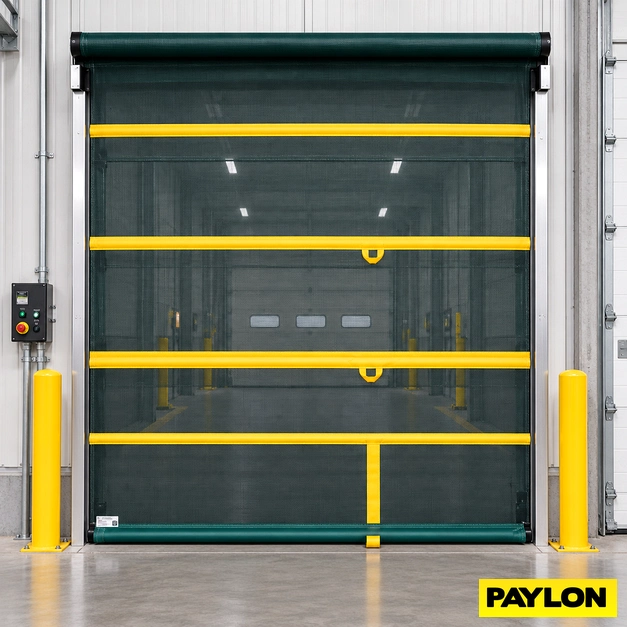
How a Dock Screen Works With Your Dock Door

You can place a dock screen next to the overhead dock door inside your building. While the screen helps in handling the hours, the dock door closes the building at night.
- Dock without trailer: You can lift the door and bring down the screen. Allows air to enter but hinders pest access.
- Direct access: You load using the opening by lifting the screen
- Existing door option: Nothing can come in; an E-track or stand-off installed helps occupy the screen over your door.
- Winter season: You can continue using the same door while you exchange the mesh for transparent or colored vinyl panels.
Pick the Right Mesh

Choose the mesh that can stop your pest, because the weave's tightness determines the size of the pest it can stop and the air that can pass through it.
- 12 x 17 weave bird mesh: Keeps birds outside of the dock but only allows about 75% flow of air.
- 17 x 11 weave bug mesh: This is the choice for most insects, but allows only about 55% air inflow.
- 17 x 20 weave Gnat mesh: This should be used only when you have issues with very small insects because it only allows 35% flow of air
Check the complete comparison of bug, bird, and gnat mesh.
See the full comparison of bug, bird and gnat mesh.
Roll-Up or Sliding: Choose Your Screen

Manual Screens
With a loaded spring roll tube, you can raise manual screens by hand; for large openings, you can use chain.
- Preferred if you only open your docks a few times daily
- Has up to 12’ x 12’ for loaded springs and 16’ x 16’ for chain hoist
- Usually costs about $1600 to $300
- Comes with a one-year warranty

Motorized Screens
The motorized screens feature a push button to open, pull cord, or motion sensor to detect movement. You can select an in-tube motor of 12 inches per sec, or a jackshaft motor of 20 inches per sec.
- Preferred in docks with daily in-and-out truck movement.
- It has up to 25’ width and 20’ height
- Usually costs around $1,950 to $4,000
- Comes with a one-year limited warranty

High-Speed Screens
High-speed screens are for continuous forklift traffic and feature motors that open at 20 to 60 inches per second on the side.
- Most suitable for docks that run all shift cycles
- Has up to 20’ x 20’ and bigger.
- Cost about $4,250 to $20,900
Would you like to compare door speed? Check our guide for roll-up curtain doors.

Sliding Screen Curtains
If you want a low-cost screen curtain, a sliding screen curtain is a good choice; it hangs on a steel track ball-bearing trolley, and you can drag it aside by hand. Perfect for openings too wide for a roll-up screen. Does not require a motor or roll tube.
- Suitable for big openings and docks that are open for long hours
- Sizes range from 3’ x 4’ up to 30’ x 60’ and more.
- Operate as a single curtain for a distant close or divided curtains that join at the center
- Depending on the size, it usually costs around $1,494 to $17,310
- Comes with a limited warranty of one year.
Other Ways Bugs Get In at the Dock
When a screen shuts the door, but insects still find their way in. You may want to look into these:
- Lights: Installing yellow LEDs and high-pressure lights reduces the attraction of insects, and bugs can be drawn away by pole lights that are placed far from the doors. (Mississippi State University Extension)
- Spaces / Gaps: Even when the door is closed, faulty dock seals, faulty shelters, and gaps in the dock leveler can still allow insects to gain access to the dock.
- Food plants: According to FDA rules, proper screening and other protective measures should be carried out against pests, where necessary. (21 CFR 117.20)
Common Questions
What is a loading dock door called?
You can also call a loading dock door a loading bay door, dock door, or an overhead dock door. Most are in sections. A mesh door placed alongside is a dock bug screen door; it allows airflow while restricting pest access.
How much does a dock bug screen door cost?
You can get our roll-up bug doors for around $1,600 to $3,000 for manual doors; motorized costs around $4,250 to $20,900 for high-speed models. Depending on the size, our sliding screen curtains range from $1,494 to $17,310. The final price depends on size, mesh, mounting style, motor, and control type.
Can I use a dock screen in the winter?
Yes. You can change the mesh to clear or colored vinyl panels. That is, both the restriction of cold during winter and the entry of fresh air in summer can be regulated by the same door.
Do bug screens keep birds out?
Yes. Birds and insects can be prevented by bug mesh. If the only problem you have is birds, bird mesh allows more inflow of air, up to 75% compared to bug mesh, which allows 55% of air.
How long does it take to get a dock bug screen?
Orders ship for most PAYLON take about 14 to 25 days, and at the top of your quote, you can always see the date of delivery. Each screen is customized according to your opening, but the lead time is affected by sizes and other options.
What warranty comes with a dock bug screen?
Roll-up bug doors and sliding screen curtains for both manual and motorized doors and curtains usually come with a one-year limited warranty for parts and workmanship. You can snap the aluminium tracks out for ease of replacement.
What to Send for a Quote
Prepare this for us to suggest the best screen and it price as fast as possible:
- Width and height of the dock opening
- Your current dock door: whether it is a rolling steel, sectional, or no door, let us know.
- The number of times the door is opened, and whether a roll-up or sliding screen door fits your operation.
- What kind of pest (flies, gnats, or birds) you want to control.
- If you have a power supply at the entrance.
- The dock door pictures from within.